Joma Kubor Footshape: same technology, more room on the trail
Joma Kubor Footshape: same technology, more room on the trail
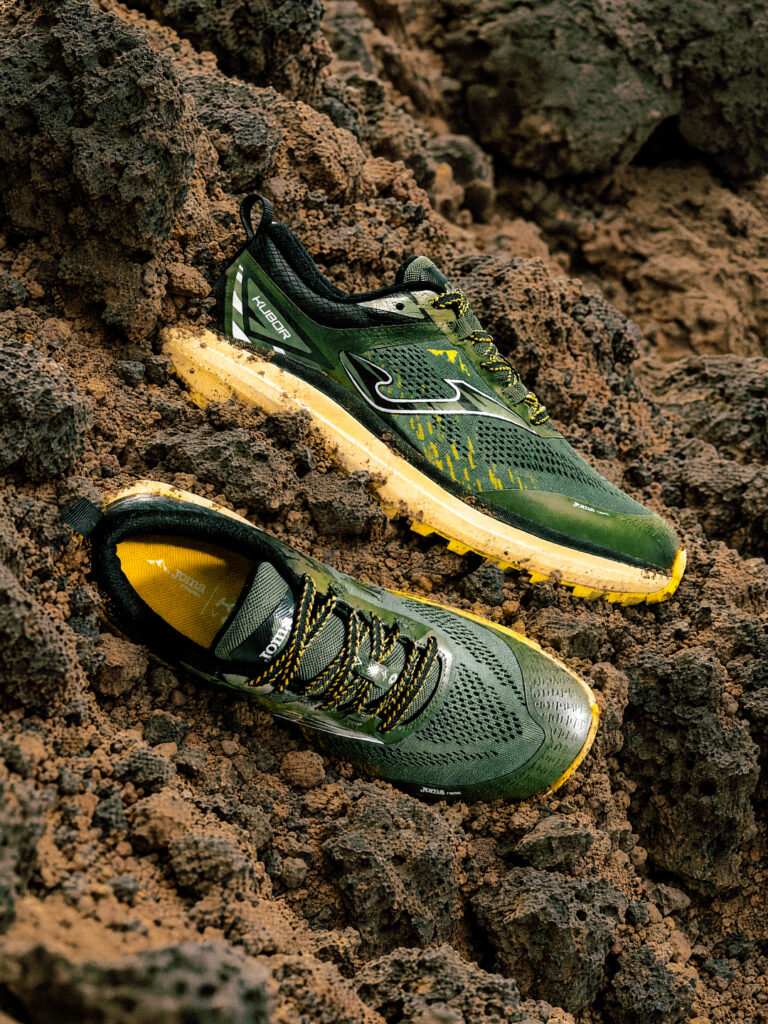
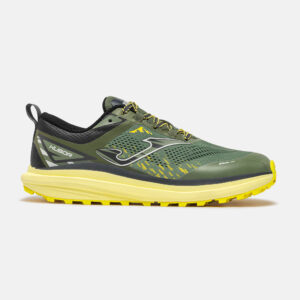
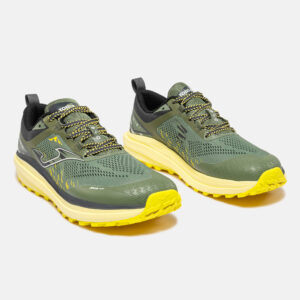
Joma’s Kubor adapts to the anatomy of the foot with a wider last that allows the toes to spread naturally and provides greater stability on uneven terrain, while retaining the technology of the original Kubor.
When the terrain keeps changing, the foot needs support that adapts and keeps it stable. On a climb, a descent or an uneven section, a quick response is essential to maintain balance. With this in mind, Joma has reinvented its Kubor model, adapting it to the Footshape last while retaining the technologies of the original version.
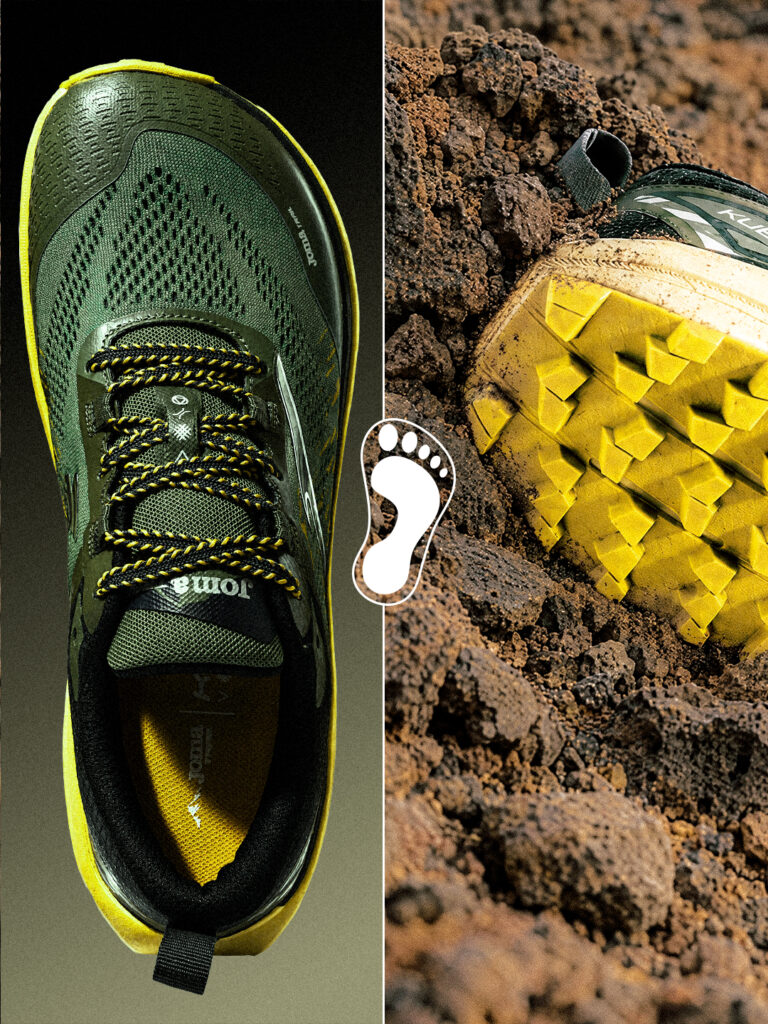
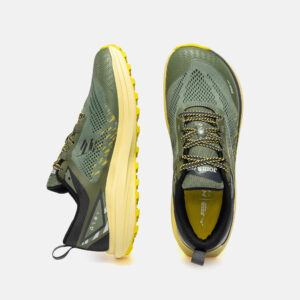
The anatomical last respects the natural shape of the foot and widens the toe box. This allows the toes to spread during each stride, creating a more comfortable and stable base when the terrain becomes challenging.
This freedom of movement makes a real difference in trail running. Across rocks, changes in elevation and uneven surfaces, the foot needs to respond continuously. The Joma Footshape construction supports this adaptation, improves balance and reduces pressure at the front of the shoe for a more natural stride.
How is the Footshape last designed?
The last used in the Kubor Footshape distributes space according to the anatomy of the foot. It maintains the necessary support while freeing up the toe area, allowing the toes to move without unnecessary restrictions.
This combination provides greater comfort and stability on uneven terrain. By preventing excessive compression, the last also helps reduce the fatigue and pressure accumulated during activity.
Same technical platform as the original Kubor
Only the shape has changed: Joma has retained the technologies of the Kubor.
It retains the breathable mesh upper with the VTS system and the thermosealed Joma Sportech fit system.
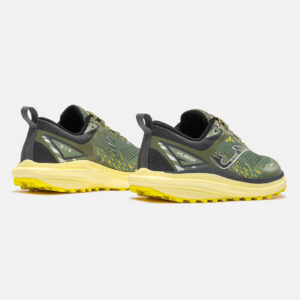
The midsole has a 4 mm drop and is made from PHY+, an ultralight phylon that provides cushioning, responsiveness and stability.
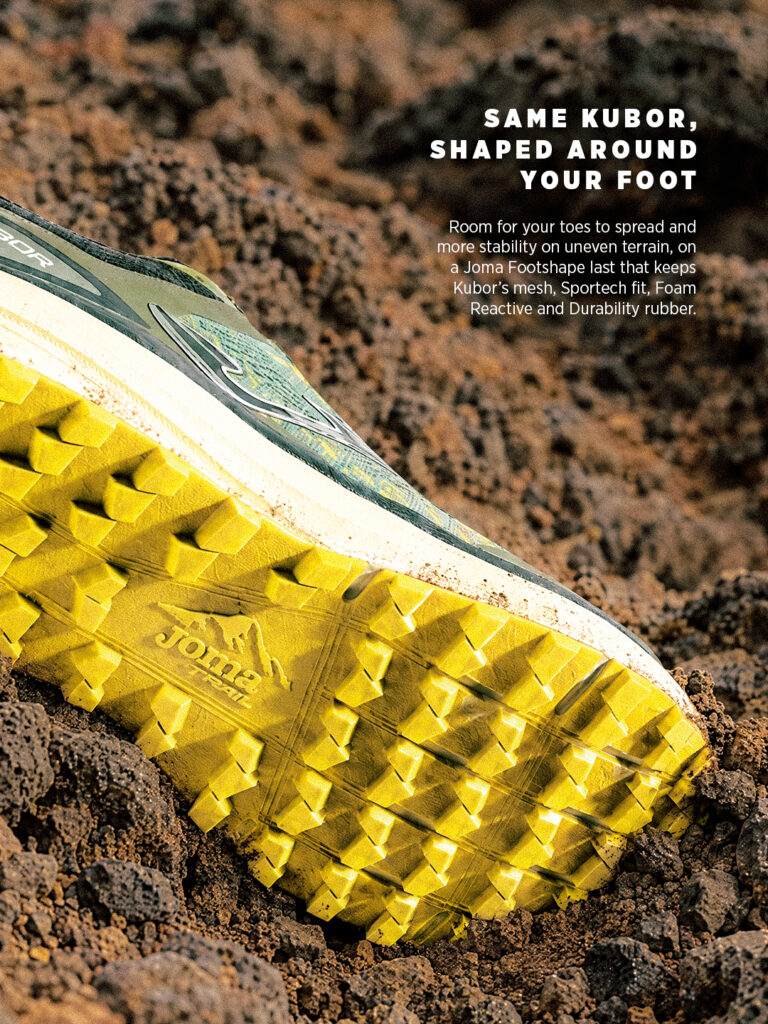
The flexible Durability rubber outsole provides traction on technical surfaces.