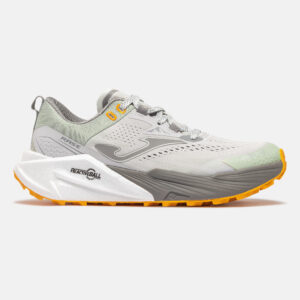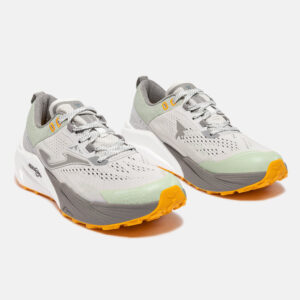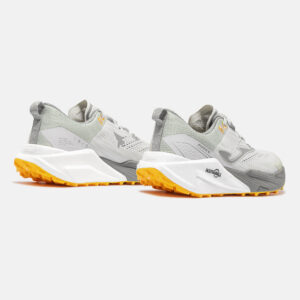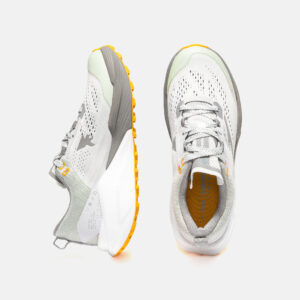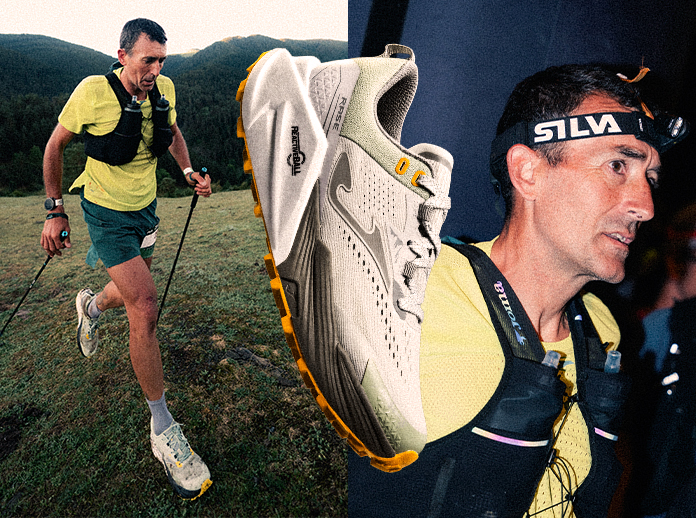
Nearly a decade after its first version, the Joma Rase has continued to refine its performance and accompanied Miguel Heras on his return to competition.
The Joma Rase was among the first models with which Joma began developing its trail running range. Designed for competition, those early versions featured a construction focused on stability and protection.
Nearly a decade later, the model remains part of the collection, but has evolved to meet the current needs of runners. The new Rase retains recognisable elements from its first generations while reworking its design to deliver a lighter, more versatile ride.
This process is the result of Joma’s continuous product development and the knowledge accumulated around the real demands of running in the mountains. As with other established models from the brand, Joma has continued to refine and adapt every detail to deliver increasingly effective performance. Reduced weight, better distribution of protection, cushioning tailored to each phase of the stride and a broader response on the terrain are some of the improvements revealed by comparing the earliest versions with the current model.
“Comfortable, stable and lightweight”
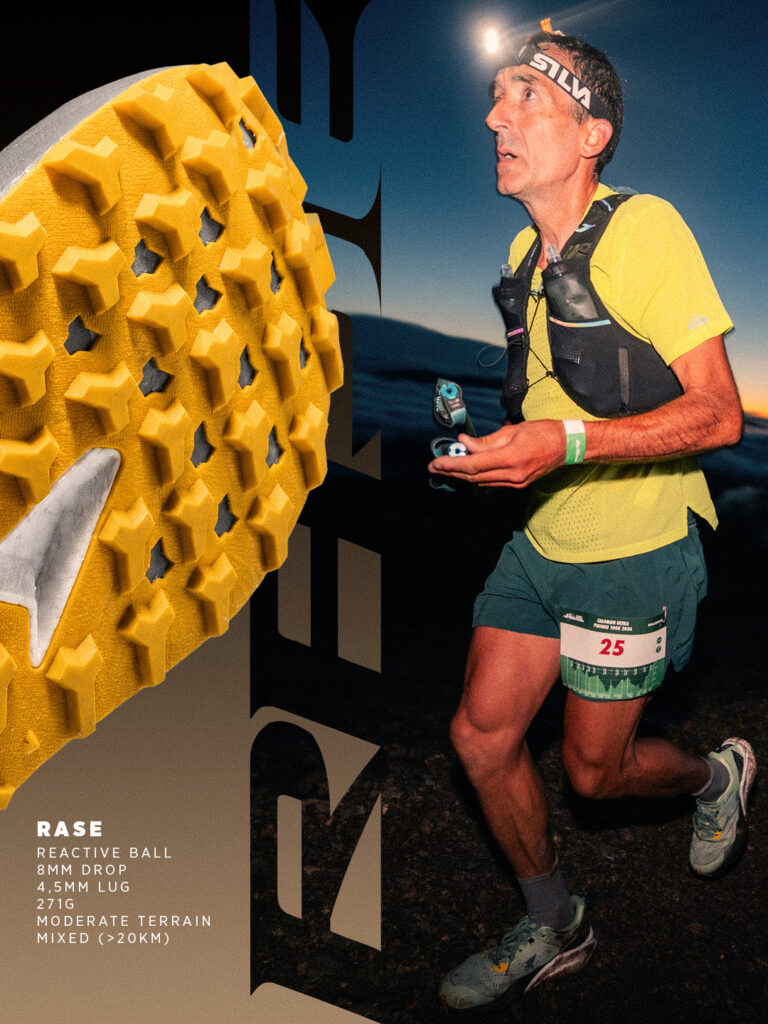
The model’s evolution has also reached competition. Miguel Heras chose this new generation of Rase for his return to racing at Ultra Pirineu 2026. The trail running legend finished eighth over the alternative course of approximately 60 kilometres, in an edition affected by the risk of severe storms. “With the Rase, I don’t have to think about my feet. It’s comfortable, stable and lightweight, which is exactly what I need from a shoe after hours in the mountains,” says the Joma athlete. Heras brings a perspective grounded in real use: long hours on the terrain, changes of pace and a stride that also evolves as fatigue sets in.
How the Joma Rase has evolved
The first versions featured a heavier construction and were designed for competition on medium-difficulty terrain. Stability and protection defined the model.
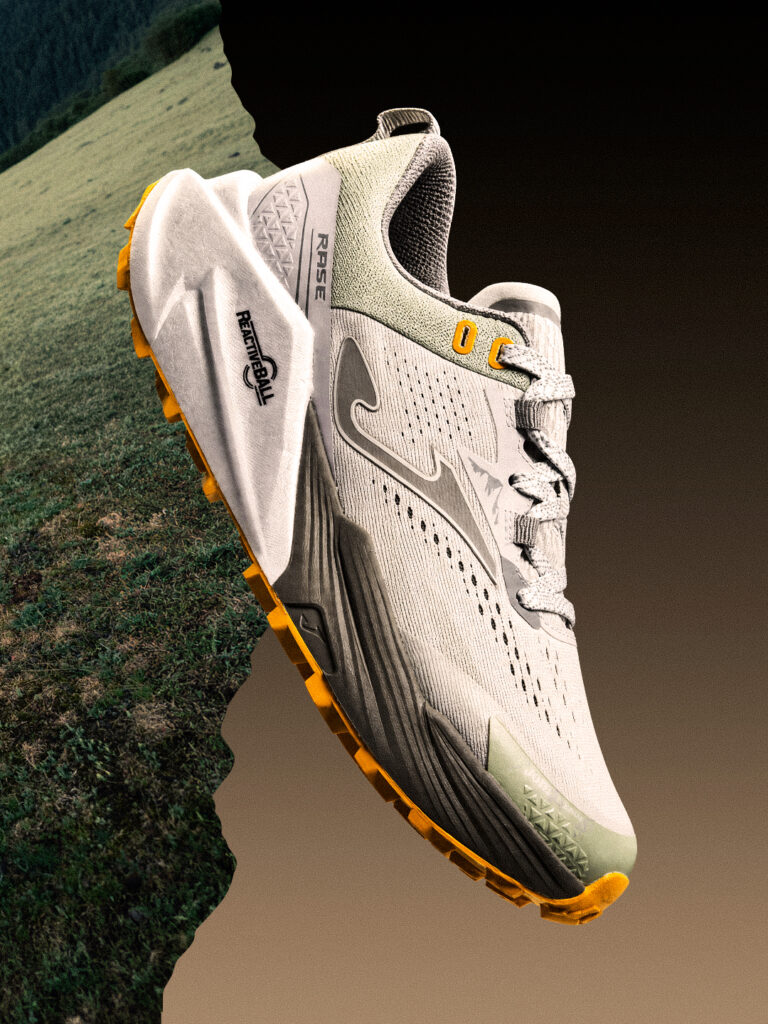
The current Rase uses a lighter, more technical mesh. Reinforcements are concentrated in the areas most exposed to abrasion and friction, lightening the overall construction while retaining protection where it is needed.
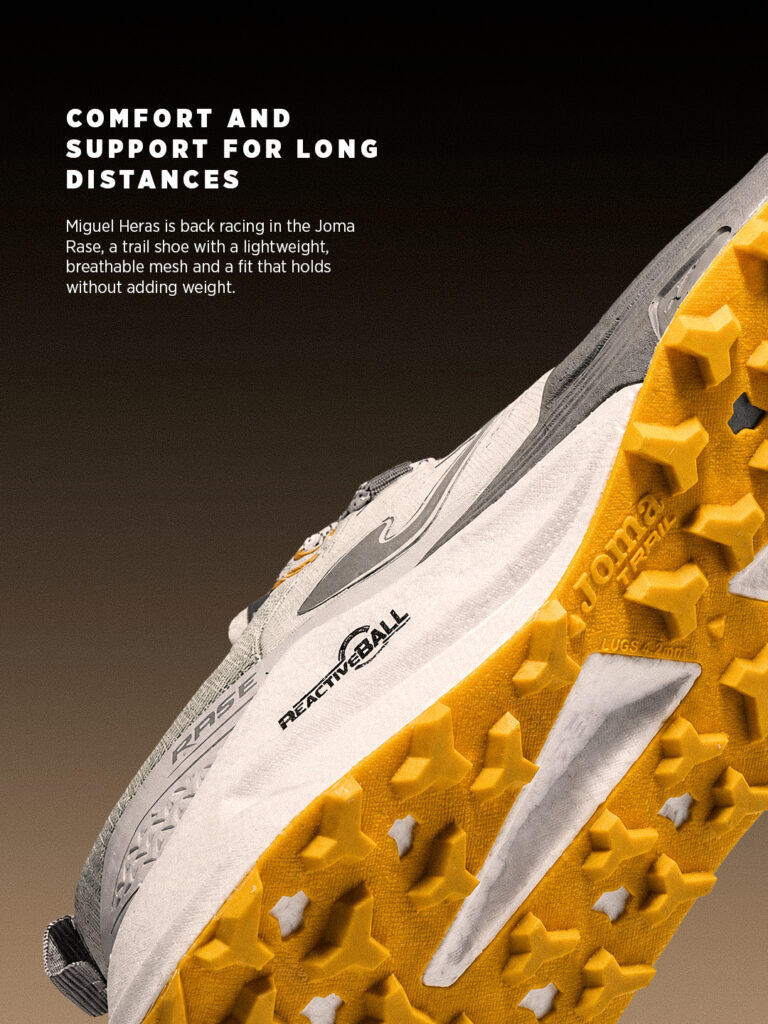
The main change is found in the midsole. The first versions used a single piece of phylon and a stabilising plate in the midfoot. Reactive Ball now occupies the rear section to absorb impact and help generate propulsion, while forefoot phylon provides stability and supports a smoother transition. The model also features a wider last to give the foot more room during long training runs and ultra-distance races.
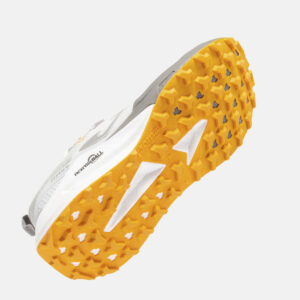
The Durability rubber outsole provides a link between generations. Its resistance to wear remains part of the model, but the lug design has evolved to optimise grip and provide greater versatility across different surfaces.
The result is a more versatile shoe, ready to support runners as the terrain and conditions change.