Barefoot shoes in hybrid training: when and how to use them
Barefoot shoes in hybrid training: when and how to use them
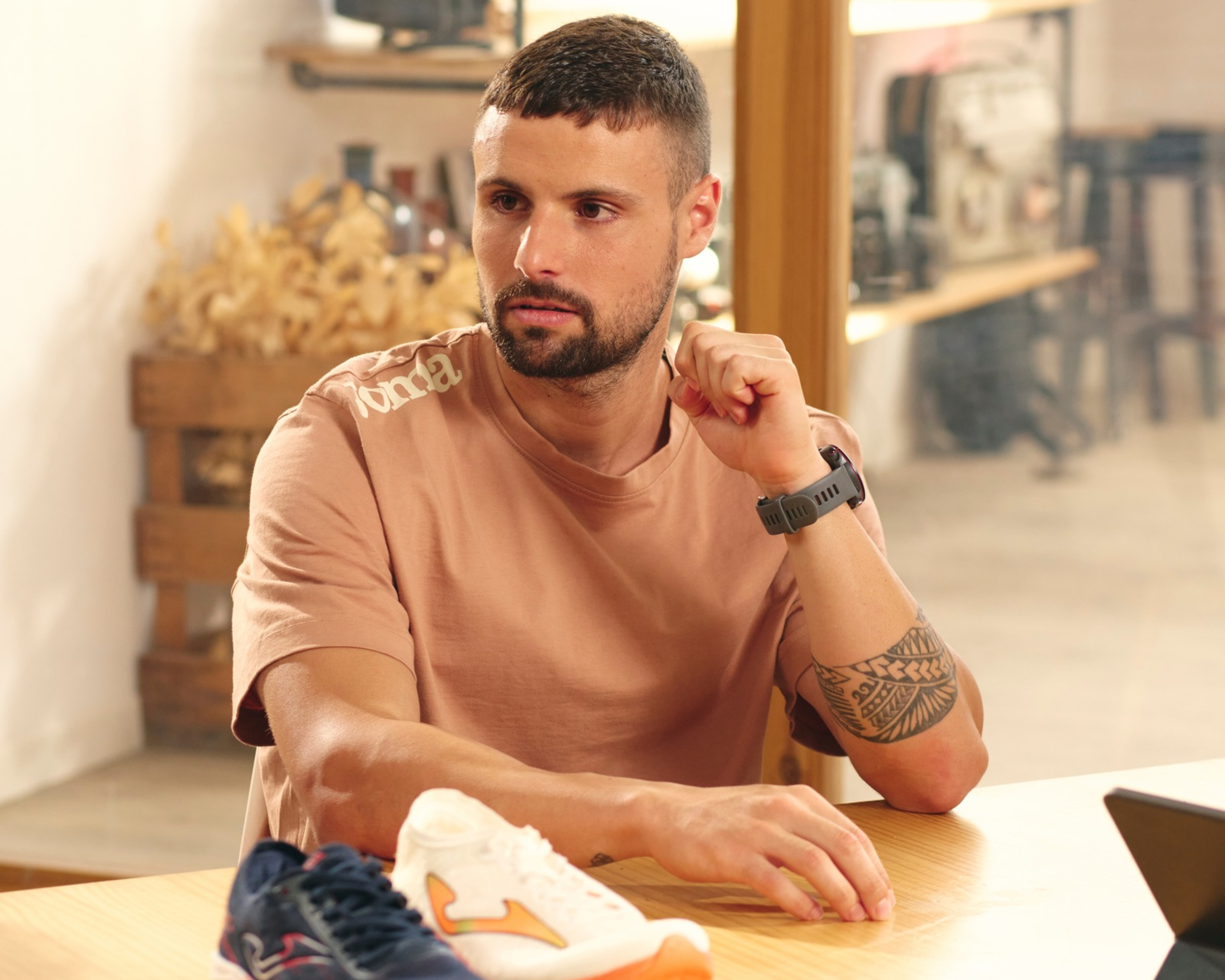
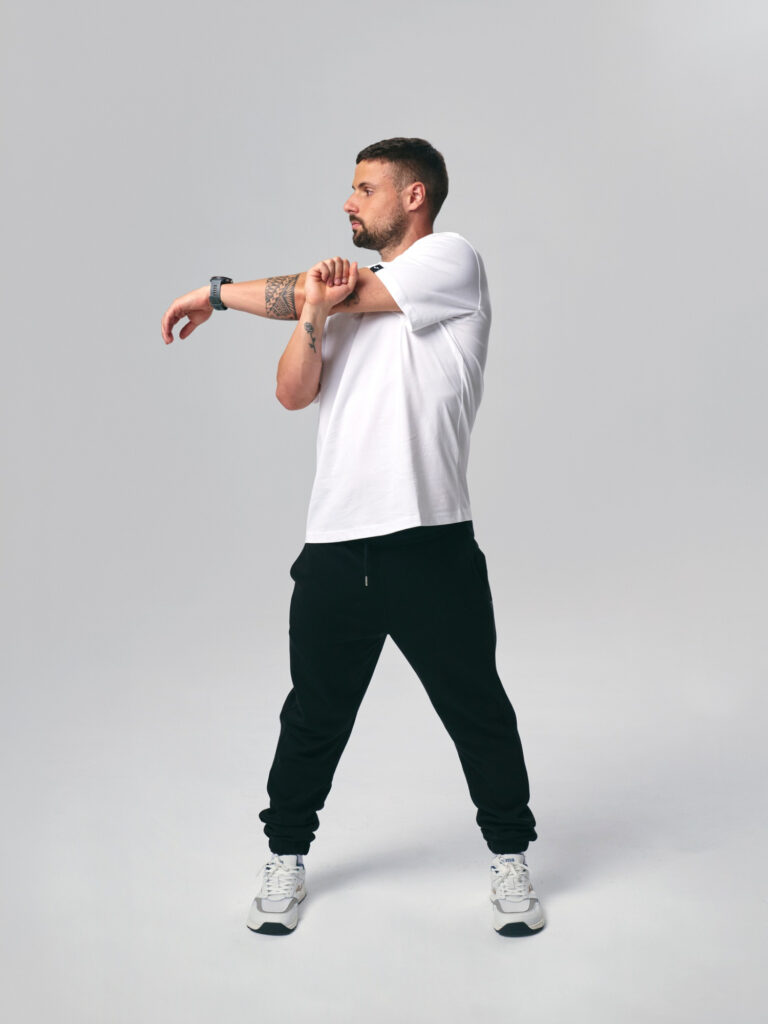
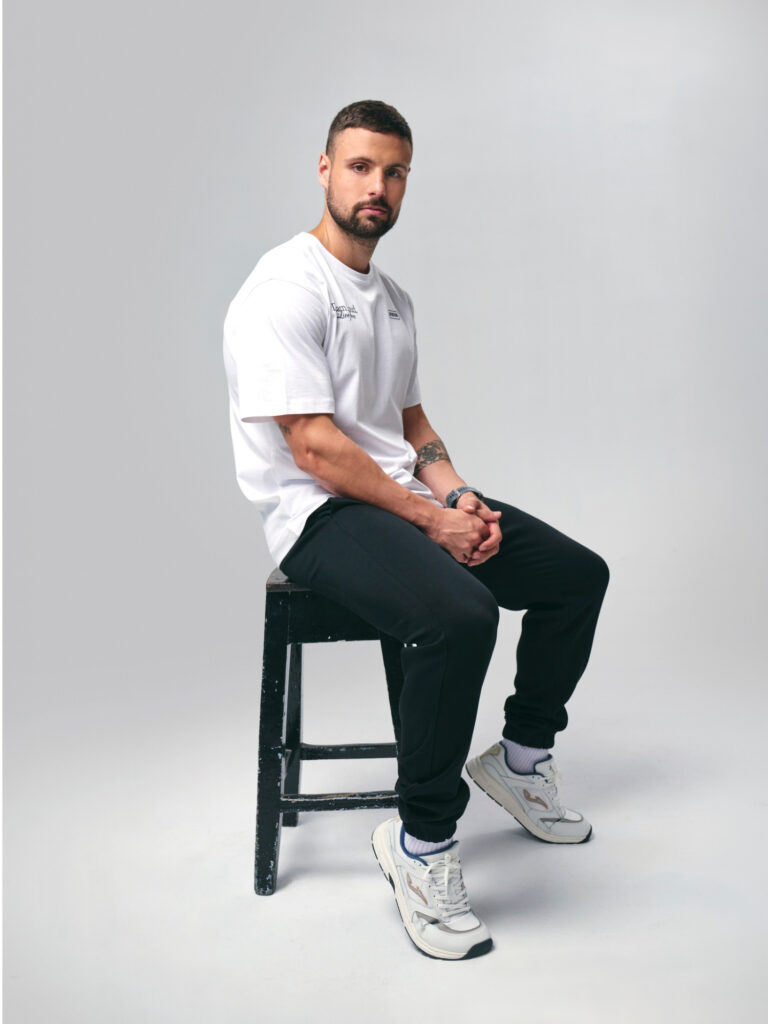
Squats, burpees, sled pushes and running: hybrid training combines different types of movement. Roberto Viciedo’s experience shows how barefoot shoes can fit into this routine and when he opts for technical sports footwear.
A hybrid training session combines different types of exercises, each with its own specific demands. The question is: which of them are suitable for barefoot shoes? For Roberto Viciedo, the choice comes down to one particular feeling: being able to feel his feet in contact with the ground. The Joma athlete explains how to alternate between different shoes depending on the activity, running pace and demands of competition.
When should you use barefoot shoes in hybrid training?
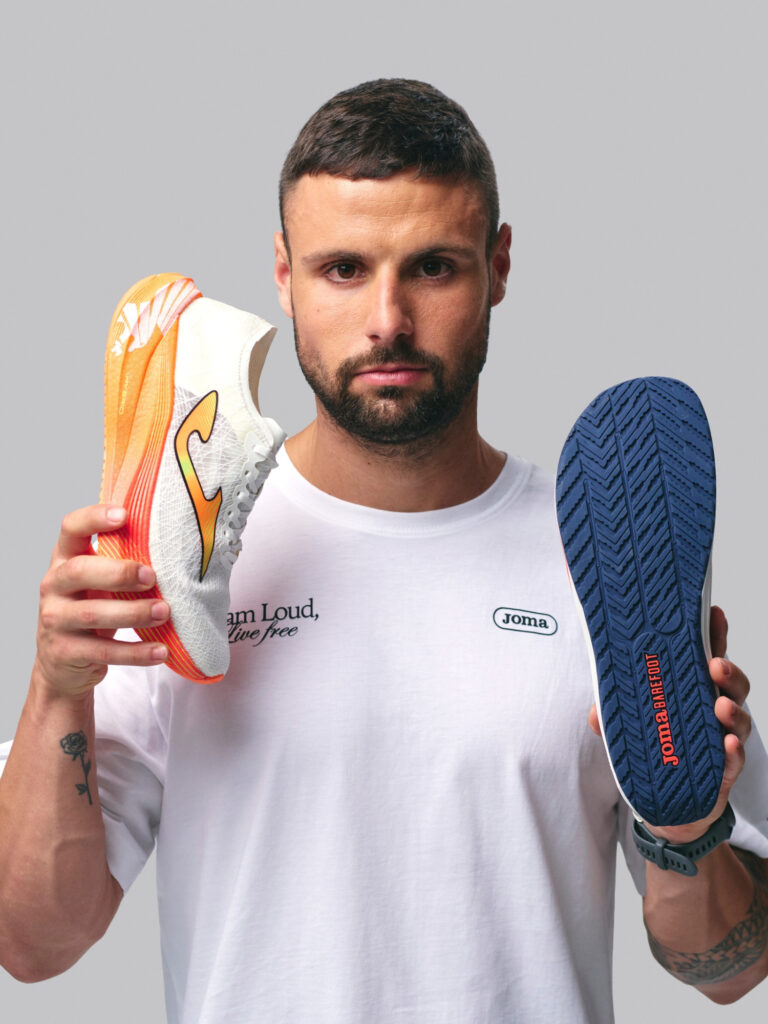
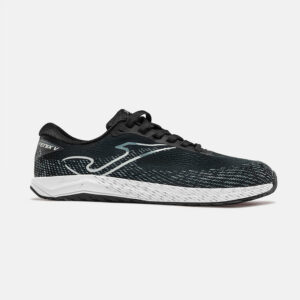
Barefoot shoes are designed to replicate the feeling of being barefoot. Their thin soles allow you to feel the ground more clearly, while their anatomical toe boxes provide enough room for your toes. This makes them ideal for certain strength exercises in hybrid training.
Roberto Viciedo uses them in exercises such as:
Squats. With his feet planted on the ground throughout the movement, the feeling of direct contact with the surface is one of the reasons he chooses barefoot shoes.
Sled pushes. As he moves the load forward step by step, he values the stability and ground contact they provide.
Burpees and lunges. These are two other exercises in his training routine where he uses this type of footwear.
Beyond ground contact, he also highlights the importance of toe space: a toe box that does not compress the toes allows them to move more freely inside the shoe.
What happens when training includes running?
Hybrid training combines strength and running, which is why different types of footwear are needed. Barefoot shoes and conventional sports shoes have different constructions, and their use may vary depending on the exercise and individual preferences.
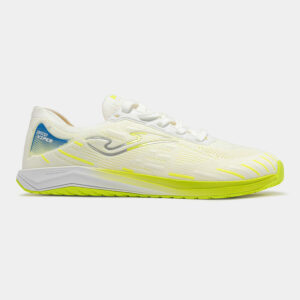
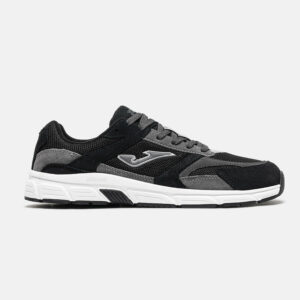
Roberto Viciedo also incorporates other technical running shoes into his routine. For example, he uses the R-6000 for easy runs, while choosing the R-1000 and R-3000 for faster-paced, medium-to-high-intensity running sessions. For competition, he opts for the RH, highlighting their responsiveness and grip in hybrid events.
And after training… barefoot shoes
Barefoot shoes can also be part of an everyday routine, away from training and competition. Athletes need healthy, strong feet, and this type of footwear helps support that goal.
That is why Roberto Viciedo also wears barefoot shoes after competing, as part of his active rest, recovery and foot-strengthening routine. Promoting blood circulation, allowing the toes to move freely and supporting proper function of the foot arch all help the feet recover from the physical demands of training or competition.