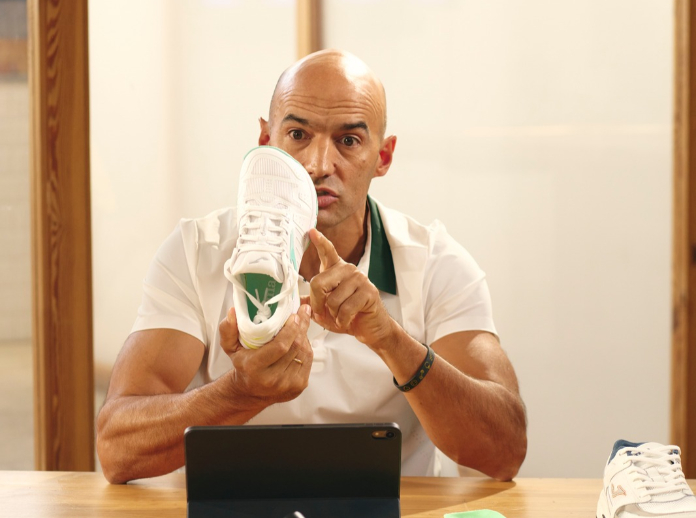
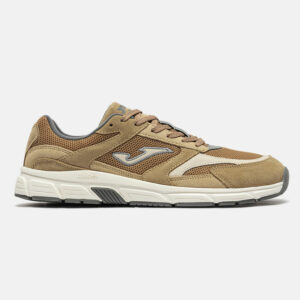
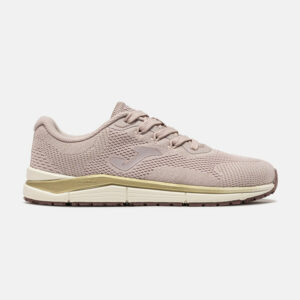
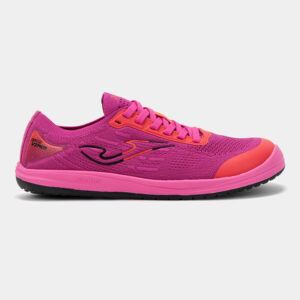
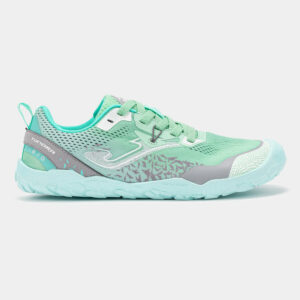
Jesús Serrano, barefoot expert and Joma Barefoot ambassador, explains what defines barefoot shoes: an anatomical toe box, zero drop, flexibility and an ultra-thin sole.
In its literal sense, barefoot means “without shoes”. So, what exactly is a barefoot shoe? It is footwear designed to replicate the feeling of walking barefoot while interfering as little as possible with the foot’s natural movement. It is not simply a shoe with a thinner sole. Its shape, drop and flexibility also matter.
With insight from Jesús Serrano, expert and Joma ambassador, we look at the meaning, features and benefits of barefoot shoes, as well as the differences between this type of footwear and conventional sports shoes.
How to recognise a barefoot shoe
Barefoot shoes aim to replicate the feeling of walking without footwear. To achieve this, they must combine several features:
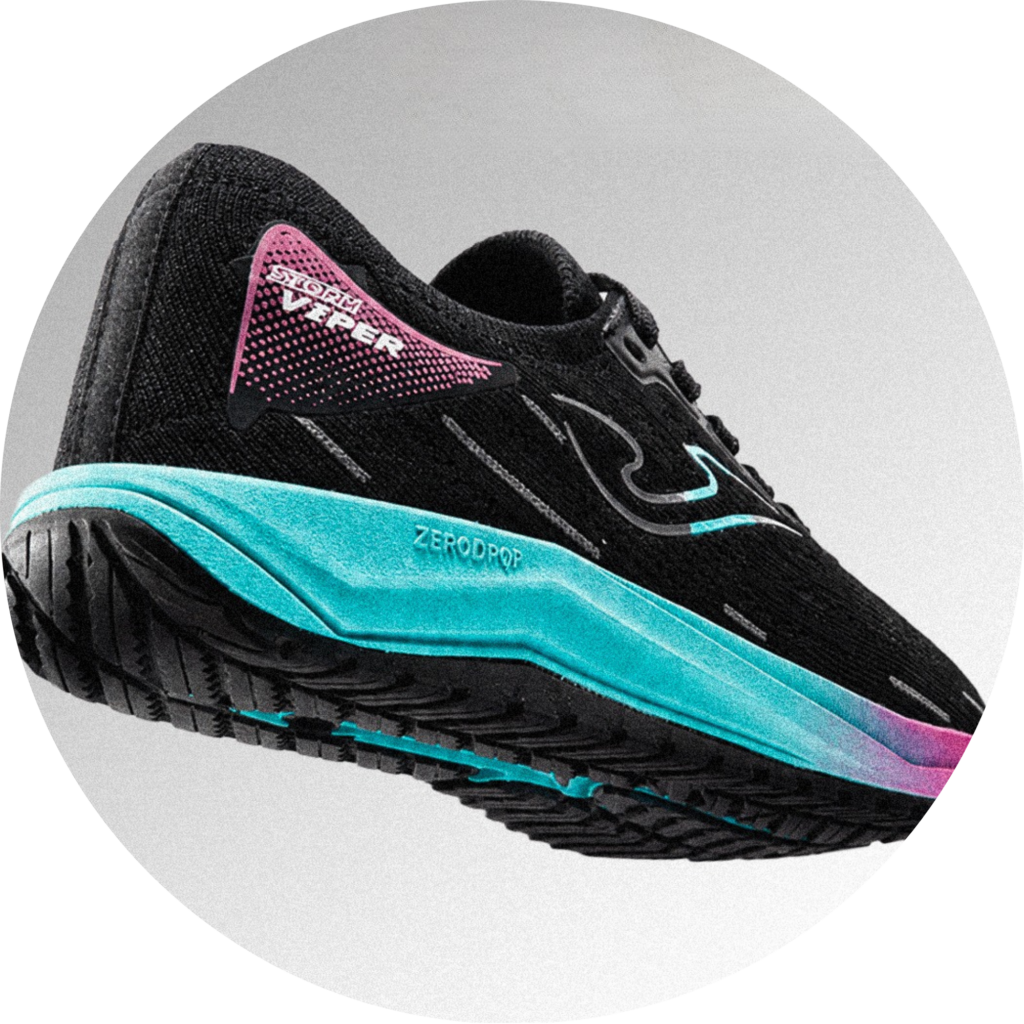
ZERO DROP AND THIN SOLE
The heel and forefoot sit at the same height, making the shoe completely flat. With less material between the foot and the ground, the wearer feels a greater connection with the surface underfoot.
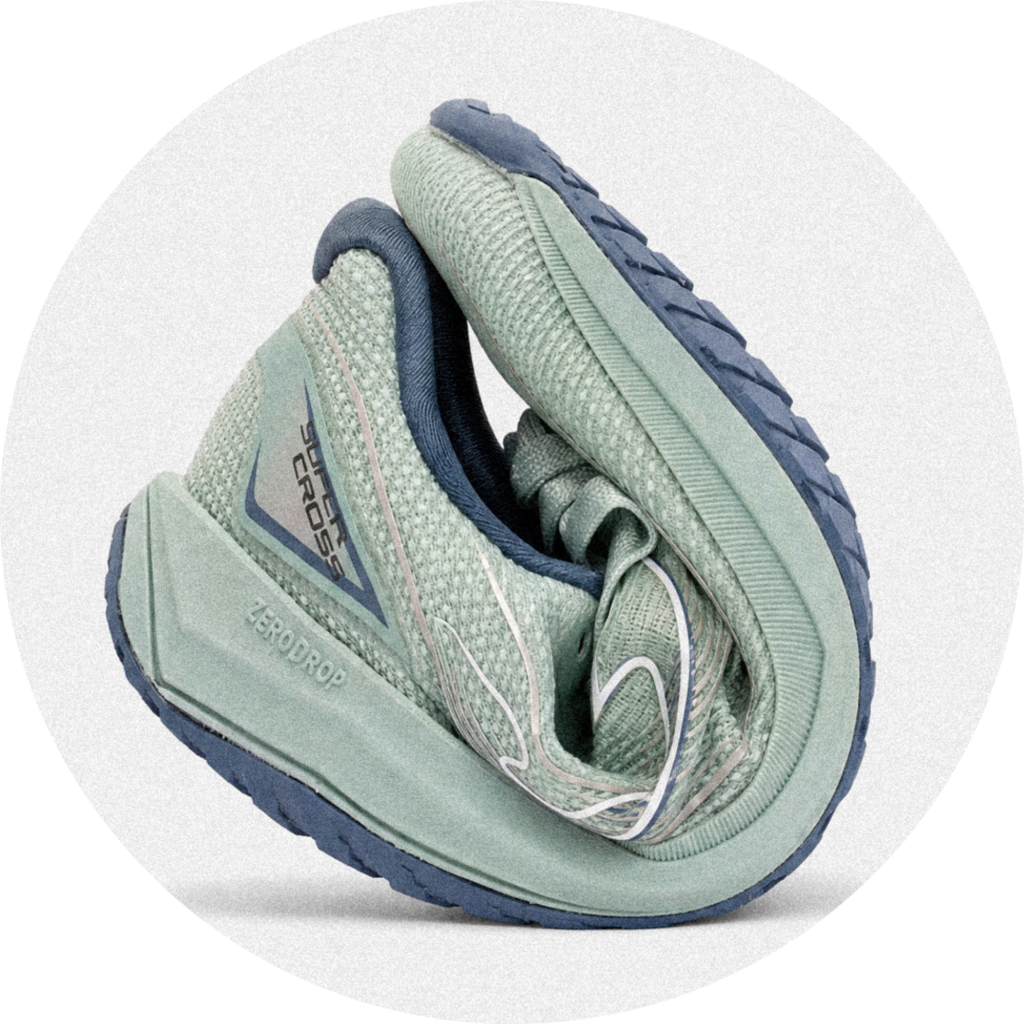
FLEXIBLE CONSTRUCTION
There is no rigid heel counter, allowing the shoe to bend and twist easily as it follows the foot’s movement.
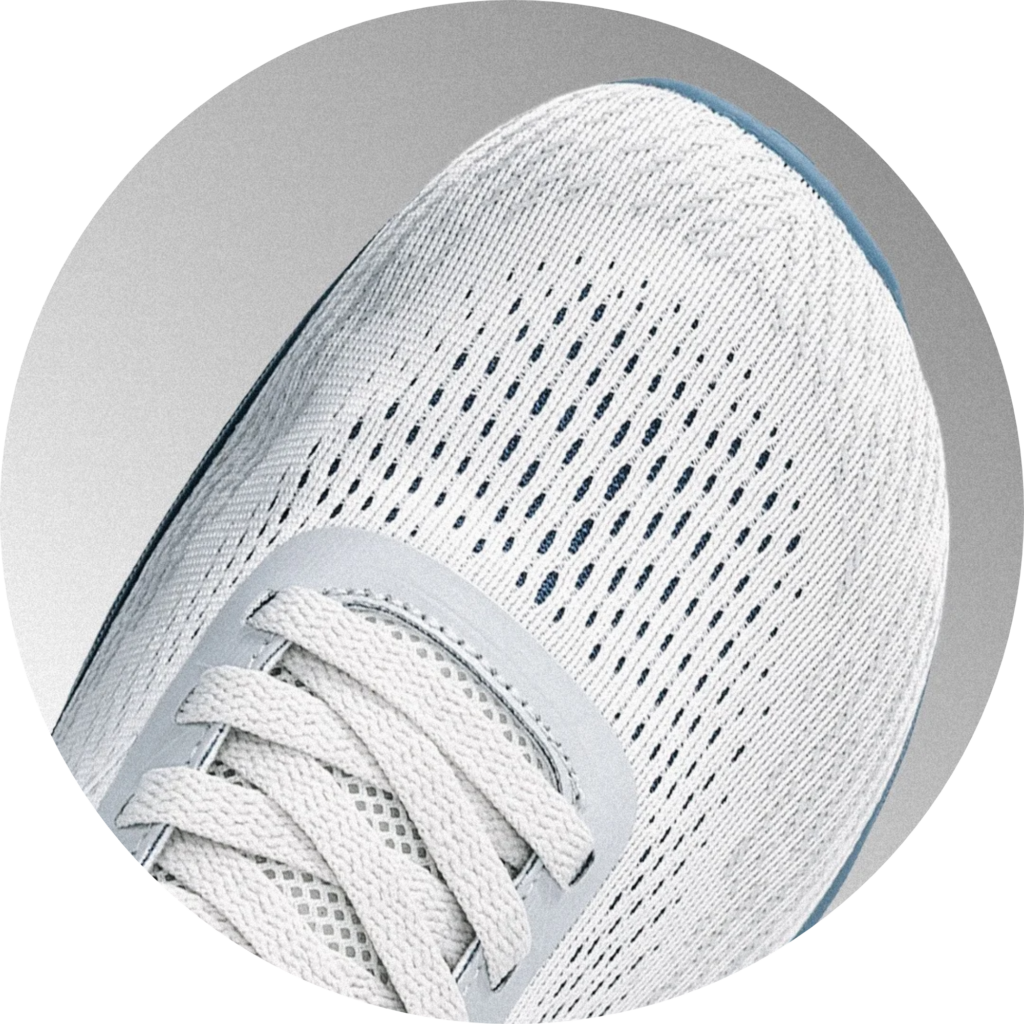
ANATOMICAL TOE BOX
It follows the shape of the foot and gives the toes enough space to maintain their natural position.
Together, these features help strengthen the foot and encourage it to play a more active role while walking. However, the transition to barefoot shoes must be gradual. Rushing the process would be a mistake.
What is the difference between barefoot and conventional footwear?
Conventional sports footwear follows a different design approach because it must meet the demands of each sport. Depending on the discipline, it may include some heel-to-toe drop, a thicker sole, lateral reinforcements or a structure that provides greater support. Everything depends on the technical needs of the sport and the athlete.
These shoes also tend to have a more substantial structure, less flexibility and a less anatomically shaped toe box. This does not make them a worse option. They simply serve a different purpose.
Shoes designed for competition, training or a specific sport must deliver the performance required to achieve particular goals. Barefoot footwear, meanwhile, is geared towards active rest, recovery and strengthening the foot.
The key point is that no construction is universally better. There are different uses and different feet, each requiring its own adaptation process.